
The Get Alongs Refine Their Craft on Second To None
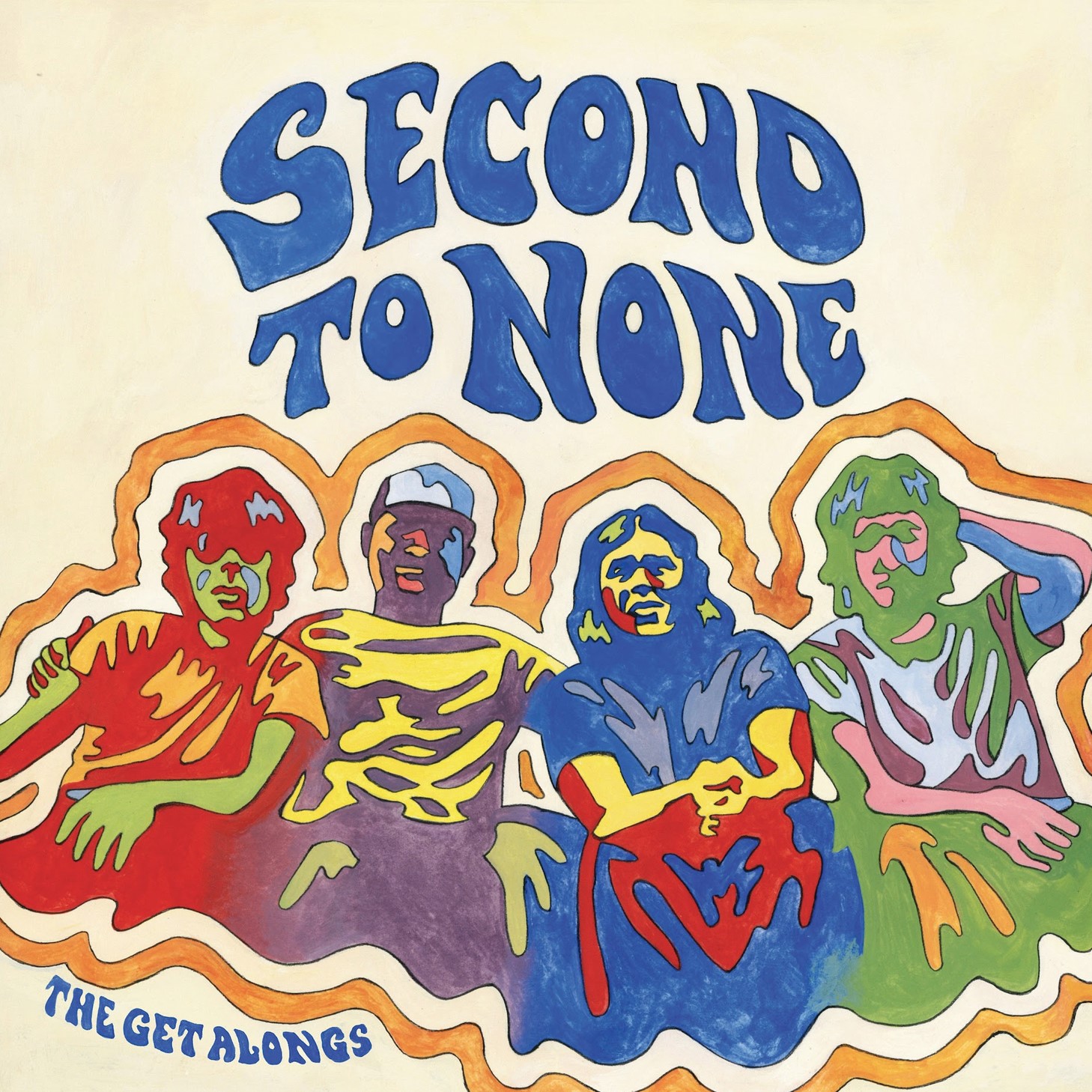
Some records do not arrive with grand statements or dramatic reinventions. Instead, they succeed by doing the fundamentals exceptionally well. That is exactly the case with Second To None, the sophomore album from Toronto's The Get Alongs. Released on June 19, 2026 via Having Fun and We Are Busy Bodies, the record finds the Canadian quartet building upon everything that made their debut so appealing while delivering a sharper, more confident collection of songs.
Since forming in 2017, The Get Alongs have steadily earned their place within Toronto's independent music scene through persistence, memorable songwriting and an unwavering commitment to melody. Comprised of Harrison Pickernell, Rory Pickernell, Eric Wood and Tristan Catenacci, the band have taken a gradual and organic path forward, building an audience through live performances, word of mouth and consistently strong releases.
Their debut album Weather Permitting introduced a sound rooted in classic guitar pop traditions while maintaining a scrappy and energetic spirit. The record earned support from Canadian radio, European touring opportunities and slots alongside respected acts from both North America and the UK. Rather than abandoning that foundation, Second To None expands upon it with greater confidence and a clearer artistic identity.
At its heart, Second To None is a guitar album in the best possible sense. Drawing inspiration from the melodic instincts of 1960s garage rock, the infectious hooks of 1970s power pop and the emotional directness of alternative rock, the record occupies a sweet spot where timeless songwriting meets modern indie sensibilities. Echoes of The Replacements, The Lemonheads and The Shoes occasionally emerge, but The Get Alongs never feel trapped by their influences.
What makes the album particularly effective is its refusal to smooth away every rough edge. These songs are melodic and immediate, yet they retain a looseness and authenticity that prevents them from feeling overly polished. There is a lived in quality throughout the record, as though each song has already survived countless late night rehearsals, small venue performances and long drives home after gigs.
Lyrically, Second To None focuses on familiar but deeply relatable territory. Relationships, passing time and the uncertainty that exists between major life moments form the emotional backbone of the album. Rather than relying on elaborate narratives, the songwriting often focuses on atmosphere and feeling. Moments are captured, observed and allowed to linger without being overexplained.
That approach gives the record a distinctly cinematic quality. Listening to Second To None often feels like walking through the city late at night after a show, surrounded by streetlights, distant conversations and the quiet hum of everyday life continuing around you. There is a strong sense of place embedded within these songs, even when specific details remain unspoken.
The album was recorded at Holy Mountain Sound in Montreal with producer Clayton Dupuis and marks a significant shift in the band's recording process. Unlike previous releases that relied more heavily on live performances captured in the studio, Second To None was developed over the course of a year through focused recording sessions.
This approach allowed the group to pay closer attention to arrangements, tones and pacing. The additional studio time proves valuable throughout the album. Every instrument feels carefully placed, yet the songs never lose their natural energy. Contributions from Clayton Dupuis, AJ Krome of Shallow and Josh Campos add subtle layers of texture, while mixes from Ryan Dahle, Brandan Bak and Tom Nixon ensure the record remains clear and balanced.
Musically, the album thrives on contrast. Come On arrives with immediate impact, delivering loose, loud and infectious energy that feels tailor made for crowded venues and summer nights. By contrast, Sunday Afternoon slows the pace, allowing jangling guitars and spacious melodies to unfold gradually before settling into one of the album's most memorable moments.
Throughout the record, The Get Alongs move comfortably between energetic power pop, classic guitar driven indie rock and more expansive psychedelic influenced passages. Despite this broader sonic palette, the album never loses focus. Melody remains the guiding principle, ensuring every stylistic detour ultimately serves the songs themselves.
One of the album's greatest strengths is its sense of confidence. There is no attempt to chase trends or reinvent the wheel. Instead, The Get Alongs focus on writing strong songs and performing them with conviction. That simplicity becomes a virtue, allowing the album's strengths to emerge naturally.
With Second To None, The Get Alongs deliver a record that feels both familiar and fresh, drawing from decades of guitar pop tradition while maintaining a distinctly contemporary voice. It is the sound of a band growing into itself, refining its strengths and discovering just how effective straightforward songwriting can be when executed with skill and sincerity.
A warm, hook filled and effortlessly enjoyable album that proves great guitar music does not need reinvention to leave a lasting impression.
© Thusblog
Order The Get Alongs’ Music and Merchandise
INSTAGRAM | SPOTIFY | BANDCAMP | FACEBOOK | APPLE MUSIC