
Widowspeak Find Grace in Imperfection on Roses
For more than fifteen years, Widowspeak have occupied a unique place within American independent music. Formed in Brooklyn in 2010 by Molly Hamilton and Robert Earl Thomas, the duo emerged during one of the most fertile periods of New York's underground scene, when venues such as Glasslands, Cake Shop, 285 Kent and Death By Audio were nurturing a generation of artists who blurred the boundaries between indie rock, dream pop, folk and experimentation.
Since their earliest recordings, Widowspeak have cultivated a sound that feels instantly recognizable. Their music exists in a world of soft focus and faded colours, where reverb drenched guitars drift alongside Molly Hamilton's understated vocals, creating songs that feel less like traditional narratives and more like fragments of memory. Across a catalogue that has steadily evolved over the years, the duo have always excelled at transforming ordinary moments into something quietly cinematic.
Released on June 5, 2026, Roses finds Widowspeak returning to the qualities that have always made them special. Patience, atmosphere, intimacy and emotional nuance sit at the centre of an album that feels deeply comfortable in its own skin. Rather than chasing reinvention, the band refine and deepen their existing language, creating one of the most emotionally resonant releases of their career.
The album explores romance, attachment, memory and change, but not in grand or dramatic terms. Roses is less interested in declarations than in the traces people leave behind. It examines relationships that evolve over time, objects that carry emotional weight long after their practical purpose has faded, and places that continue to exist in memory even after life has moved elsewhere.
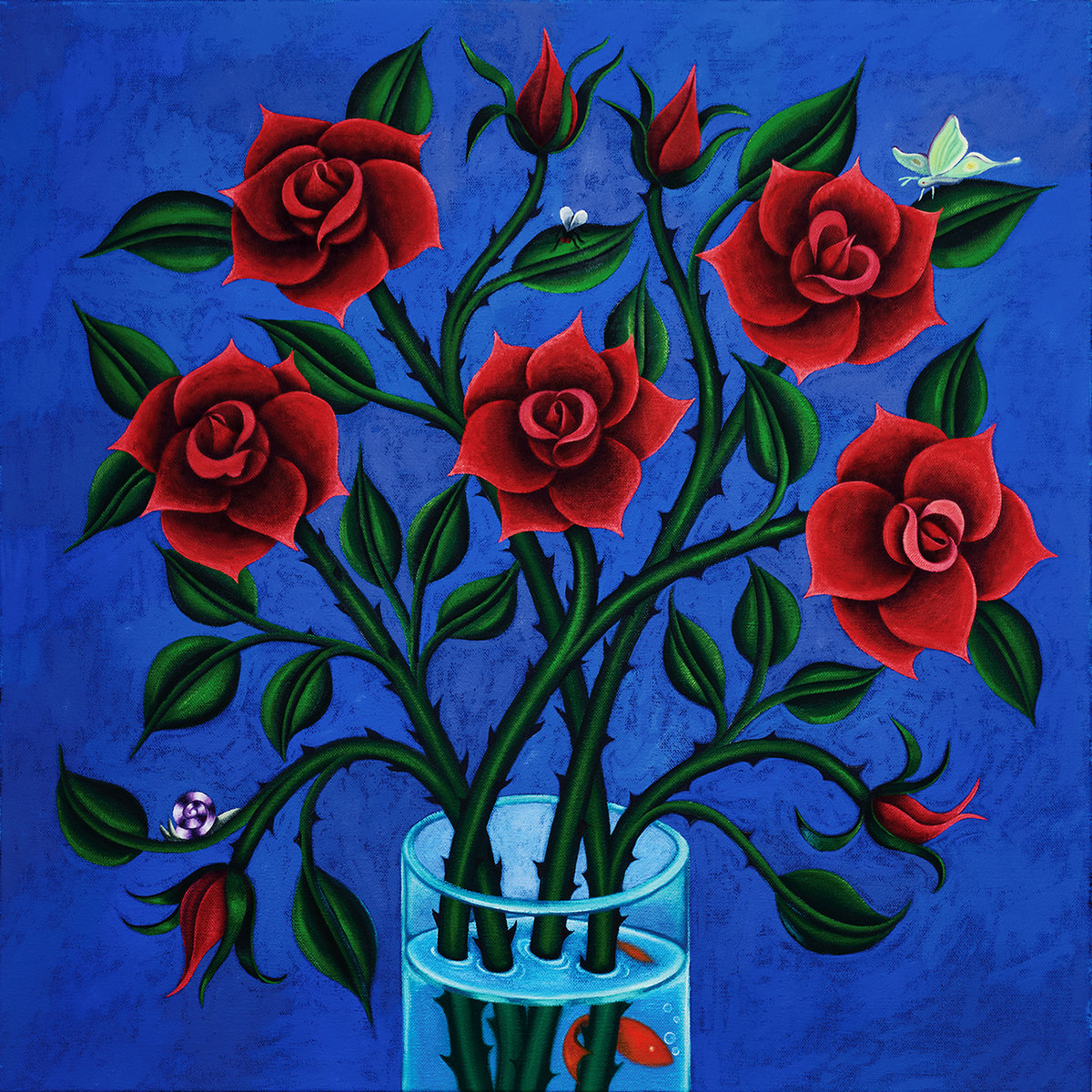
That sense of worn beauty runs throughout the record. The title itself suggests something delicate and romantic, yet Widowspeak understand that roses are also fragile, temporary and imperfect. They bloom, fade and remain behind as reminders of moments that cannot be fully preserved. That tension between beauty and impermanence becomes one of the album's central themes.
Recorded during January at The Old Carpet Factory on the Greek island of Hydra, Roses benefits enormously from its environment. Working in a converted building during the quiet winter months, long after the tourists had departed, the band found a setting that perfectly matched the album's reflective mood. Joined by touring musicians Willy Muse, John Andrews and Noah Bond, Widowspeak created a collection of songs that feel unhurried and organic.
The production reinforces that atmosphere at every turn. Later mixed by Alex Farrar at Drop of Sun Studios and mastered by Greg Obis, the album embraces warmth and texture rather than perfection. The guitars have room to breathe, the vocals remain intimate, and the arrangements often retain a slight roughness that gives the music a handmade quality. Nothing feels overworked or polished into sterility.
Opening track The Hook immediately establishes the album's spacious and patient character. Rather than demanding attention, the song gently invites the listener into its world. The guitars move slowly around Hamilton's voice, creating an atmosphere that feels both comforting and quietly mysterious.
No Driver, one of the early preview tracks, uses the image of a car journey to explore trust, dependence and emotional exhaustion. Like many of Widowspeak's best songs, it begins with a simple everyday image before gradually revealing deeper emotional layers beneath the surface.
The title track Roses captures the album's emotional core. Here, love is portrayed not as a perfect ideal but as something vulnerable and transient. The song embraces the beauty of imperfection, recognising that the things we cherish most are often the things most susceptible to change.
If You Change, released as the album's lead single, stands among the record's finest moments. Molly Hamilton has described the song as a reflection on the fear of change and the desire to keep things preserved in perfect condition. Yet the song ultimately suggests that wear, age and experience are not signs of damage but evidence that something has been truly loved. Musically, it embodies everything Widowspeak do best, pairing elegant melodies with gently drifting guitars and a timeless sense of atmosphere.
Elsewhere, Wondering continues the album's contemplative tone, exploring uncertainty and emotional transition with remarkable subtlety. Like much of Roses, the song is less concerned with answers than with sitting quietly alongside unresolved questions.
Angel Number introduces a faintly mystical element, drawing inspiration from the small coincidences and patterns that people often interpret as signs. It fits naturally within Widowspeak's world, where ordinary details frequently take on unexpected emotional significance.
Soft Cover is another standout. Built around the image of carrying love like a worn paperback book, the song transforms a simple metaphor into something deeply affecting. Its gentle melodies and understated arrangement perfectly capture the intimacy that defines the album.
As the record progresses, Heaven Is Waiting and Actor continue exploring themes of faith, performance, memory and identity. Both songs reveal Widowspeak's gift for suggesting complex emotions through seemingly simple imagery, allowing listeners to find their own meanings within the music.
Closing track Hourglass provides a fitting conclusion. Reflecting on the passage of time and the impossibility of holding onto everything we love, the song encapsulates the album's central message with remarkable grace. Rather than resisting change, it accepts it as an inevitable part of life.
Throughout Roses, echoes of artists such as Mazzy Star, Yo La Tengo, Cat Power, R.E.M. and Neil Young occasionally appear. Yet Widowspeak never feel defined by their influences. The duo have spent years developing their own tempo, their own atmosphere and their own emotional vocabulary.
With Roses, Widowspeak deliver a mature and deeply affecting album that embraces vulnerability without sentimentality and nostalgia without romanticising the past. It is a record built from small details, quiet observations and imperfect beauty.
A warm and beautifully crafted collection of songs that reminds us that the most fragile things are often the ones that stay with us the longest.
© Thusblog
Listen on Qobuz (Hi-res 24 bit)